


20 Feb WHAT DOES RESPONSIBLE LEADERSHIP CONSIDER IN AN AI WORLD?
Short on time? Click below to listen to Stacey’s newsletter.
Today I am taking the opportunity to reflect on AI and its implications. Not as an AI expert, as someone who looks at the role of leadership in the big picture. I believe there are some themes we need to pay attention to so we can optimise this incredible new AI opportunity.
While everyone is seeing the rapid evolution and exponential uptake of AI, I think there are a few things that bear consideration. We have the potential for some serious implications in the world of work, and to the people who operate in that world of work. The people all over the world who we need to contribute in the workplace and in our workforces.
1. THE IMPACT OF INTENSITY
The first theme is about the opportunity that AI creates, to assume some of the routine, labour intensive, and foundation activities in the roles in our workplaces.
It is generally accepted that this is going to happen to a lesser or greater degree in different types of work. This integration of AI creates an opportunity. Eliminating some of the basic or routine elements for humans, that can be automated or replaced by AI in some form. This allows our people to work in areas of greater complexity, where their experience and humanity add real value.
Think about something like a customer service or help desk situation. The routine aspects are managed by AI to support clients or users. The one-off, the critical incidents, the highly complex cases, these can be managed by our people to support their clients and create great experiences, as we deliver services.
Another example might be in solving problems. Problems that have been seen before can be managed and resolved by AI in some form. And our people can apply their unique experience and insight to something that hasn’t been seen before, or to creating opportunities.
I have read several articles in the last couple of months, and had a few conversations alluding to the idea that our people can work with greater intensity. Because as they work alongside AI partners, the AI partner can do some aspects of work very quickly…far more quickly than a human. The human can decide, the AI partner can then grow the options and solutions. Humans refine and choose. The AI partner can then develop on those. And so on.
The time between each of these steps gets significantly reduced.
Here is my reflection. My question. I am not disputing that AI has enormous value and potential positive impact. It is, rather, how do we look after our people?
The potential result of this AI evolution is that our people work with intensity, more of the time. Potentially, they will not have that ebb and flow in their work. Periods of intense focus, offset by periods of time where they can rest their brains.
We know our brains are wired to operate with intensity three to four hours a day, rather than eight or 10 hours a day. But if we are asking people to work with intensity throughout their entire workday, what are the implications of this?
If we are asking and expecting our people to do this because AI is eliminating some of the space between periods of intensity, what are the implications?
- How do we stop people from burning out?
- How do we help people to manage themselves so that they are able to determine how much intensity they work with?
- How do they integrate rest and recovery, so they can do their best work?
- What are the expectations we set for them in terms of productivity and output?
With burnout consistently increasing during recent years, these are serious considerations. If we ask people to work with increased intensity more of the time, because of integrating AI into the way they work, there could be significant consequences.
Of course, some people will thrive, absolutely. But others will not.
We need to consider this in our workplace practices and our expectations, as well as how we equip our people with the skills to self-manage.
Leaders must be considering this, as we go through this massive evolution in the world of work.
2. AI ADOPTION AND ADAPTION
The second theme I want to share is related to the uptake of AI. Historically, we know some people adopt new technology and adapt fast. Everything from the introduction of the personal computer to the introduction of email, where some people adopted it very quickly and some people did not. And that leaves them falling behind. The same can be said for the adoption of the internet. People who learned how to use and access the internet and source information or contribute to that information and those that did not. And then, we moved into the social media age. And clearly there are some people who are much more skilled and capable with social media and some who are not. And for those who are not, are they at a disadvantage because they are not keeping up with what is going on in the world and how it operates? Maybe. Maybe not. We all have our own perspectives on this.
As AI becomes an integral part of the way the world operates, and the way that our businesses and organisations operate, the level of adoption and adaption of AI is going to have some impact on how people can remain relevant and able to contribute to the world of work.
Go back to the World Economic Forum guidance from 2022, that over 50% of the global workforce needed to be re-skilled by 2030 to be able to continue to contribute to the world of work. This is what we are seeing right now with AI. A need to reskill. How do people remain relevant?
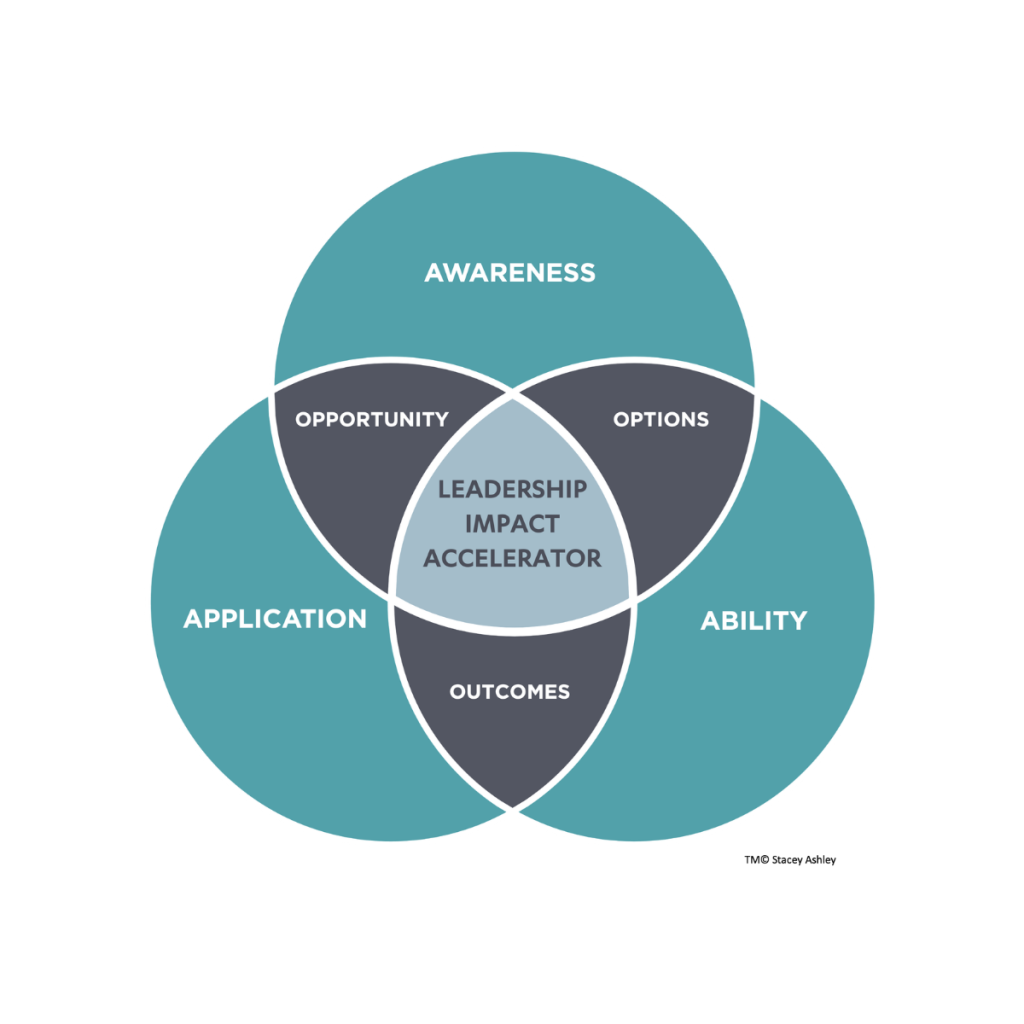
Globally, there is clearly significant uptake of AI, with lesser and greater degrees of success and outcome. But what we are also seeing is there are distinct groups that are not adopting AI as quickly as other parts of our communities and organisations. Two of the most significant groups are: more established leaders, and women.
My question here is, if this is the case, what are the implications?
We already have a gender gap at a global level in terms of opportunities, and income. And this gap was expanded during the Global Covid Pandemic…another era of big technology change in our workplaces, as work online became a major contributor to how work happened.
Yet there is plenty of research and support for the concept that diverse workplaces, teams and leadership generate better outcomes. If women are less likely to keep up with emergent AI, then what does this mean for us all?
How as leaders, do we take responsibility for ensuring that all our people get the opportunity to learn and adopt this technology, that is already becoming integral to our workplace?
I ask this is because it is something I noticed during the COVID Pandemic in particular. There were people who quickly adopted and adapted to the world of working online, and those that did not, and I am still seeing the implications of that.
Most people can manage to find their way into a Zoom platform, or MS Teams or WebEx, whatever platform you use. But there is still a significant proportion of people who are not proficient in these spaces. And this does not serve them, their leadership, or their teams very well. My concern here is that AI presents the same risk.
We need to be proactively preparing our people now, and continuously. This is not just a one and done activity. This is ongoing. Because AI will continue to evolve, and we need to help our people learn how to navigate their roles, their organisations, their communities in the world of AI.
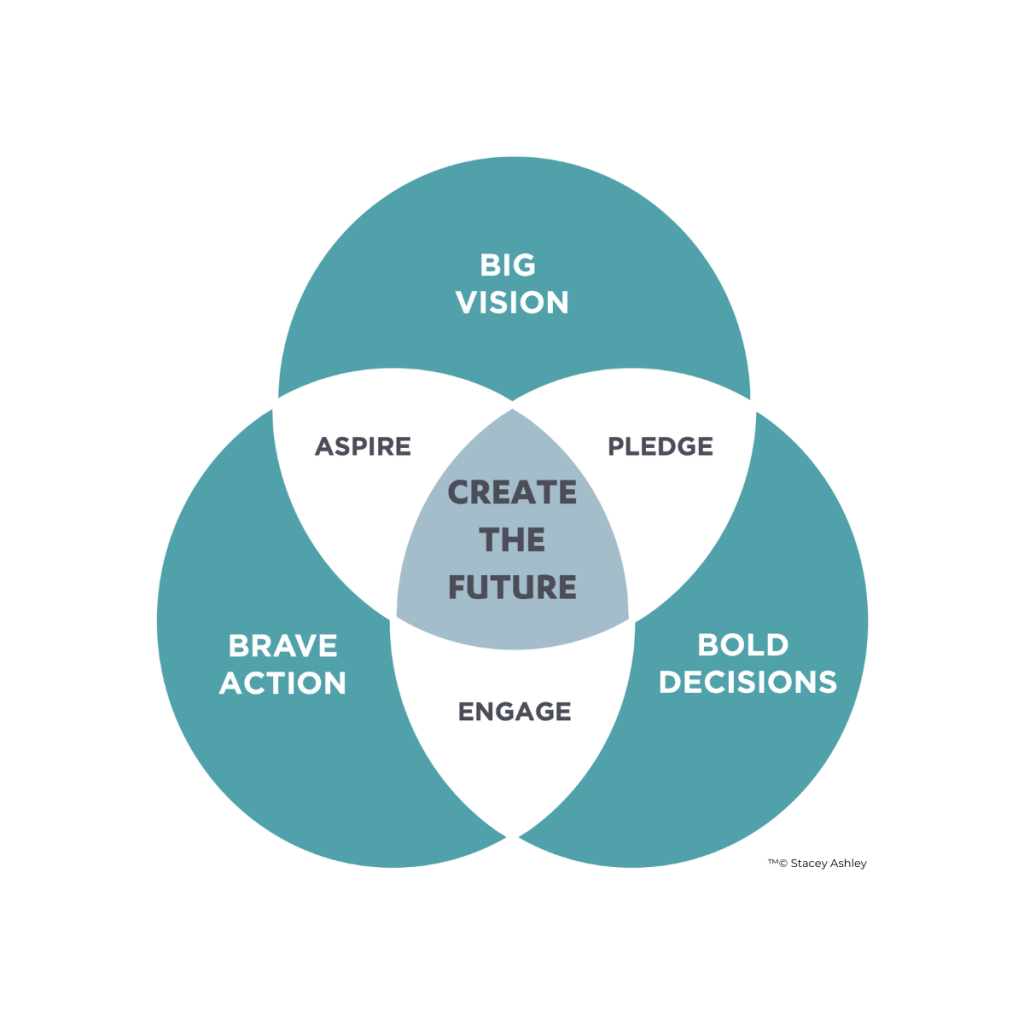
Let me say it again. This is a leadership responsibility. We cannot leave our people behind. We cannot leave them to fend for themselves. Because not everybody will be able to do that. We have a clear responsibility to take our people on the journey and give them the opportunities they need so they have access to the future.
Keeping our people in the workforce and contributing is one of the ways we create the future.
Food for thought about what is important for you to be paying attention to, as we go through this remarkable technological evolution.
We need to learn some of the lessons from history and be conscious of our responsibilities as leaders.
To be in service to our people.
To be proactive.
To set ourselves, our people, and our organisations up for success.
I’d love to know your thoughts.
#thecoachingleader #leadershipcoach #executivecoach #leadership #leaderascoach #thenewleader #selfleadership #selfcoaching #firstleadyourself #linkedintopvoices #staceyashley #ashleycoaching #amazonbestseller #speaker #author #leadershipdevelopment #management #showup21 #powerup #youreonmute #professionalwomen #personaldevelopment