


23 Oct HOW EXECUTIVES LET GO OF BEING THE EXPERT AND BECOME BETTER LEADERS
Short on time? Click below to listen to Stacey’s newsletter.
Bob was a legend in his media entertainment organisation. He knew everything about how it worked. He knew everybody in it. He had been in the organisation for decades and had literally grown up there. Becoming the head of the region.
The problem was Bob worked ridiculous hours. While he had a team of good people around him, he was a significant bottleneck. He was unintentionally preventing his people from realising their potential, because everything went through him. He was the source of all knowledge and wisdom.
This meant when a new movie was released in Australia, because Australia was the lead market indicator, he would work 36 hours straight to gather all the information. About the market response and the effectiveness of the release. Then feed that information to all the other regions and the organisation’s head office.
It also meant when there was a problem to solve, that Bob needed to be in the thick of it, in addition to his day job.
It also meant that Bob had not been on a holiday for quite a long time. For several reasons, including that he did not have complete confidence his team would deliver everything that needed to be done at the standard that was required. He was not sure they would do it the way that he would.
When I was invited to coach Bob, these are some of the things that were shared with me as part of the background. The overall goal of the coaching programme was for Bob to have a greater focus on leading his people rather than trying to do everything himself. To bring out the best in them, because he did have a great team and he really appreciated them for that. He simply was not fostering their potential and their initiative or developing their accountability in a way that meant they were all doing better individually and together.
I define a leader as anyone who takes responsibility for finding the potential in people and processes, and who has the courage to develop that potential.
Brené Brown, American research professor and author
I often see this in very senior and executive leaders who have grown up in their industry or field of domain expertise. They have substantial subject matter knowledge, and they lean on this subject matter knowledge even as they become very senior leaders, rather than deploying this knowledge to the people around them. Building the capability of their people in the space and then coaching them to take accountability and contribute at an even higher level.
This is an enormous, missed opportunity for senior leaders, because when you answer everything yourself and try to keep your eye on everything that is happening in your business or in your team or in your region, then you create a cap on capacity and capability. It relies on you.
The clear opportunity is developing all the people around you and accessing their capability and their capacity and their accountability. Accessing the contribution of many people. Scaling the difference you make, scaling the contribution you make by leading your team.

If you want to help your people become independent from you, if you want to grow your confidence in their ability to deliver at a higher level, if you want to grow their accountability and their capability so they can initiate and complete activities, projects, deliverables, and so they can lead, then you need to mentor, model, and coach at a higher level.
- MENTOR: Share your wisdom.
- MODEL: Role model the kind of behaviour and activity and decision making and leadership you want to see from them.
- COACH: them to a higher level. Coach them to achieve their potential. Coach them to take on responsibility. coach them to leverage their ideas. Grow their capability and accountability.
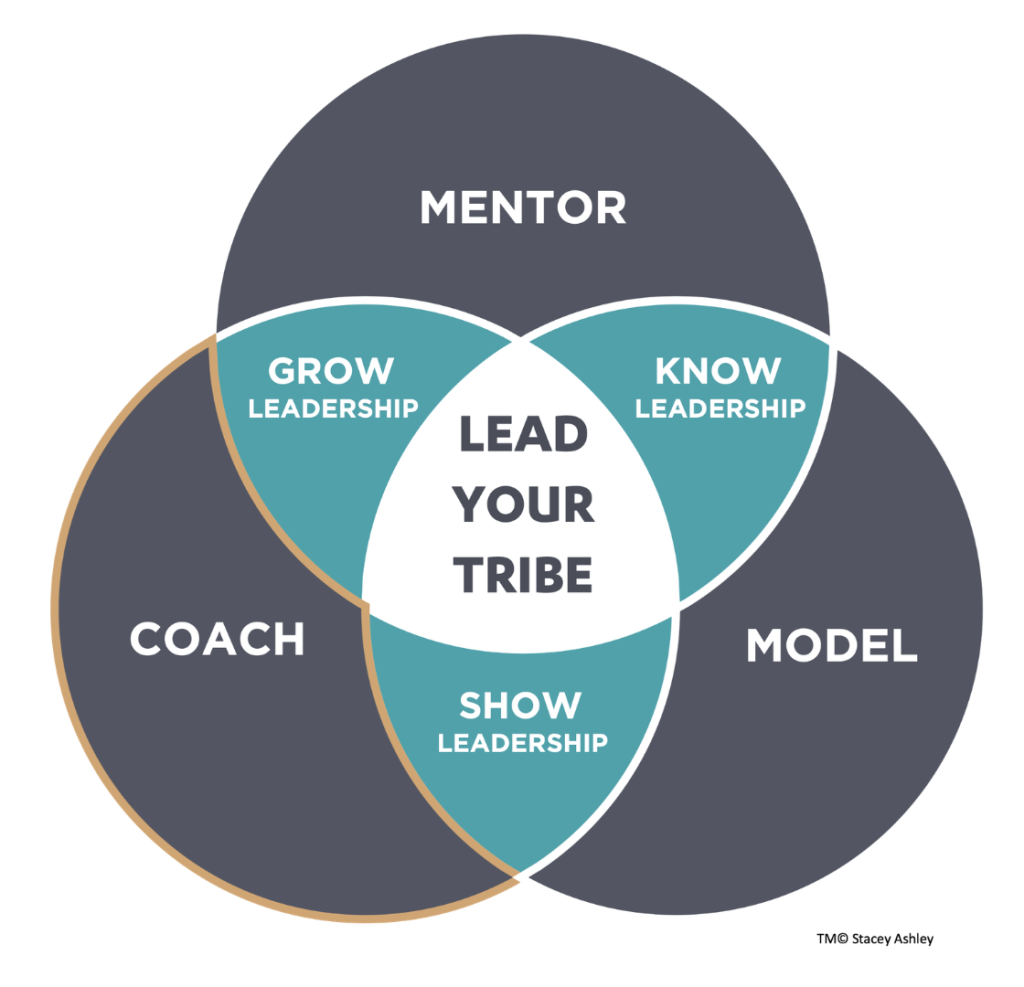
This is the missed opportunity. Many leaders believe that they are coaching, when they are mentoring. They are sharing their own expertise, solutions, decisions, which relies on them, so they are still the bottleneck. Whereas when you coach people, you draw out their great ideas, their initiative, their solutions, their decisions and their ownership of what is going to happen next. The willingness of people to follow through also increases because they are taking ownership of the situation, the problem, the opportunity.

Much of the work I did with Bob was to help him let go of being the expert and to become the leader. To stop marking his team’s homework and to set a higher expectation of what they needed to do before the work was in front of him. Then help them to build the skills and knowledge to achieve those new expectations.
We shifted the balance of Bob’s approach to leading his team from a significant amount of mentoring, which relied on his expertise, industry knowledge and connections, to a coaching approach where he would ask the right questions and listen. Where he would invite his team into the conversation, allow them the space to take ownership and deliver using their approaches and their skills, with the benefit of being able to access his wisdom when they needed it.
Coaching is one of the most effective leadership styles that can transform, empower, and unlock people’s potential. Ask more, give advice less, and elevate your impact forever.
Farshad Asl, American executive, keynote speaker, leadership coach, and bestselling author
This changed the entire feeling within the regional organisation. People felt more trusted, more valued. They were able to contribute at a higher level, and they were learning more.
This freed Bob up to spend more of his time thinking about the future, connecting to his regional counterparts around the world, having a higher level of strategic input to the global business.
Overall, engagement and productivity was rising, people were happier, and the business was more commercially successful.
I’d love to know your thoughts.
#Leadership #LeadershipDevelopment #LeadershipClarity #ExecutiveLeadership #LeadingWithPurpose #LeadershipMindset #AuthenticLeadership #StrategicLeadership #EffectiveLeadership #Leaders